
Trigger finger is a common hand condition that causes a finger or thumb to catch, lock, or click when bending or straightening. For people whose symptoms persist despite simple treatments, ultrasound-guided percutaneous trigger finger release is a minimally invasive procedure that can relieve the restriction and help restore smoother finger movement.
Our clinic offers ultrasound-guided percutaneous A1 pulley release as part of a broader range of ultrasound-guided minimally invasive hand procedures. The technique uses real-time imaging to guide treatment and may be an alternative to traditional open surgery for selected patients.
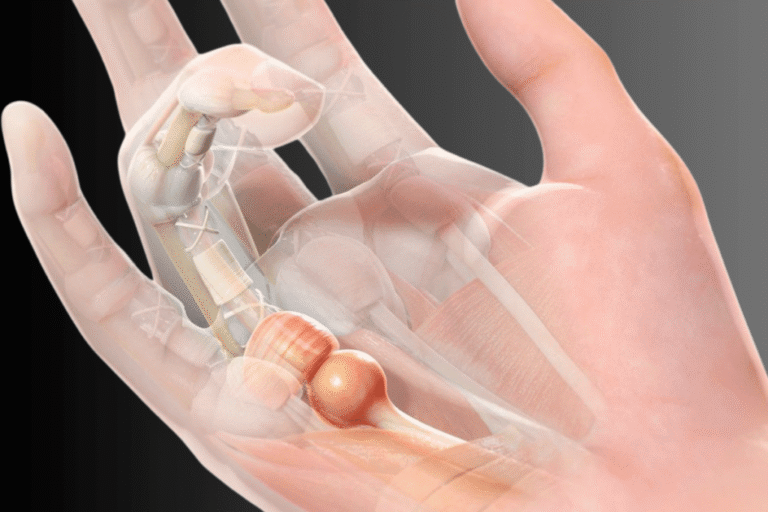
Trigger finger (also called stenosing tenosynovitis) occurs when the tendon that bends the finger becomes irritated or thickened as it passes through a small tunnel in the finger called the A1 pulley.
This narrowing can cause the tendon to catch as it moves, leading to the characteristic clicking or locking sensation.
People often seek medical advice when they notice:
Clicking or catching when bending or straightening a finger
A finger that locks in a bent position
Stiffness, especially in the morning
Tenderness or a small lump at the base of the finger
Difficulty gripping objects or performing daily tasks
In ultrasound-guided percutaneous trigger finger release, a small instrument is used to release the tight A1 pulley that is restricting tendon movement.
Real-time ultrasound imaging allows the clinician to clearly visualise nearby tendons, nerves and blood vessels while performing the procedure.
This imaging guidance helps improve precision and allows the procedure to be performed through a small skin entry point rather than a larger surgical incision.
Key features of the procedure include:
Performed with ultrasound guidance
Minimally invasive technique
Targeted treatment of the A1 pulley
Typically performed as a day procedure
Ultrasound guidance allows the clinician to carefully guide the instrument while monitoring the surrounding structures throughout the procedure.
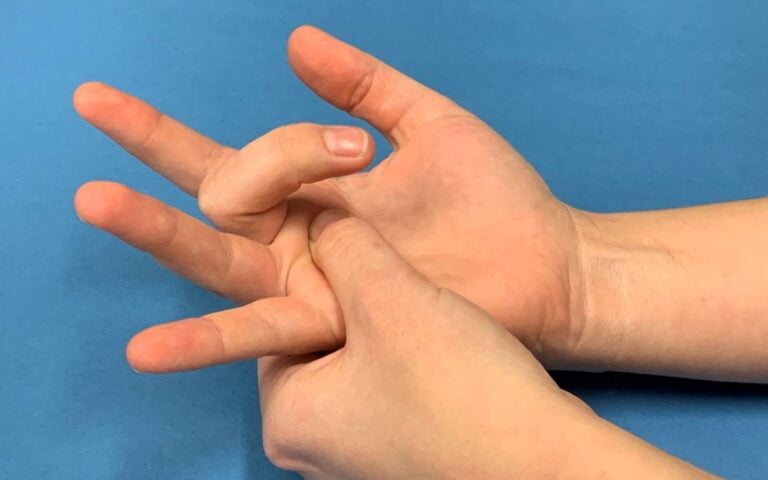
Treatment decisions depend on individual symptoms, examination findings, and ultrasound assessment.
Patients may be considered for ultrasound-guided percutaneous release if they:
Have persistent triggering or locking of a finger
Have symptoms affecting daily function
Have not improved with conservative treatments such as splinting or injections
However, not all patients are suitable for this approach. Some cases may be better managed with other treatments, including traditional surgical release.
A clinical consultation and imaging assessment are used to determine the most appropriate treatment pathway.
Trigger finger can often be managed using several different approaches depending on severity and patient preference.
Activity modification
Splinting
Anti-inflammatory medication
Corticosteroid injection
These treatments may reduce inflammation and improve symptoms in many patients.
Traditional open surgery involves making a small incision to release the A1 pulley. It has a long track record and may be recommended in certain cases.
This minimally invasive technique uses ultrasound imaging to guide the release of the pulley through a small skin entry point.
Some studies have reported faster recovery and high patient satisfaction with percutaneous techniques in selected patients, although suitability varies.
Your clinician will discuss which treatment option may be most appropriate based on your individual condition.
Recovery experiences vary depending on the individual and the severity of the condition.
In general, many patients are able to begin gentle finger movement shortly after the procedure.
Patients are typically advised about:
Gradual return to normal hand use
Avoiding heavy gripping initially
Monitoring symptoms during recovery
Your clinician will provide specific aftercare instructions tailored to your situation.
All medical procedures carry potential risks and limitations.
While ultrasound-guided percutaneous release is designed to be minimally invasive, possible risks may include:
Temporary soreness or swelling
Incomplete symptom relief
Recurrence of triggering
Injury to surrounding structures (rare)
In some cases, alternative treatments such as open surgery may be recommended instead.
Treatment decisions should always be made after a full clinical assessment and discussion of the available options.
No. Open surgery involves a small incision to release the A1 pulley. Ultrasound-guided percutaneous release uses imaging guidance and a small entry point rather than a traditional surgical incision.
Yes. Ultrasound imaging is used during the procedure to visualise the tendon and surrounding structures in real time.
Local anaesthetic is typically used to minimise discomfort during the procedure. Your clinician will explain what to expect.
Recovery times vary. Many patients are able to begin gentle hand use relatively quickly, although full recovery varies between individuals.
This depends on the clinical assessment and treatment plan.
If symptoms recur, your clinician will reassess the condition and discuss appropriate management options.